Could Oxygen Therapy Be a Breakthrough for PTSD? What New Research is Revealing About Recovery
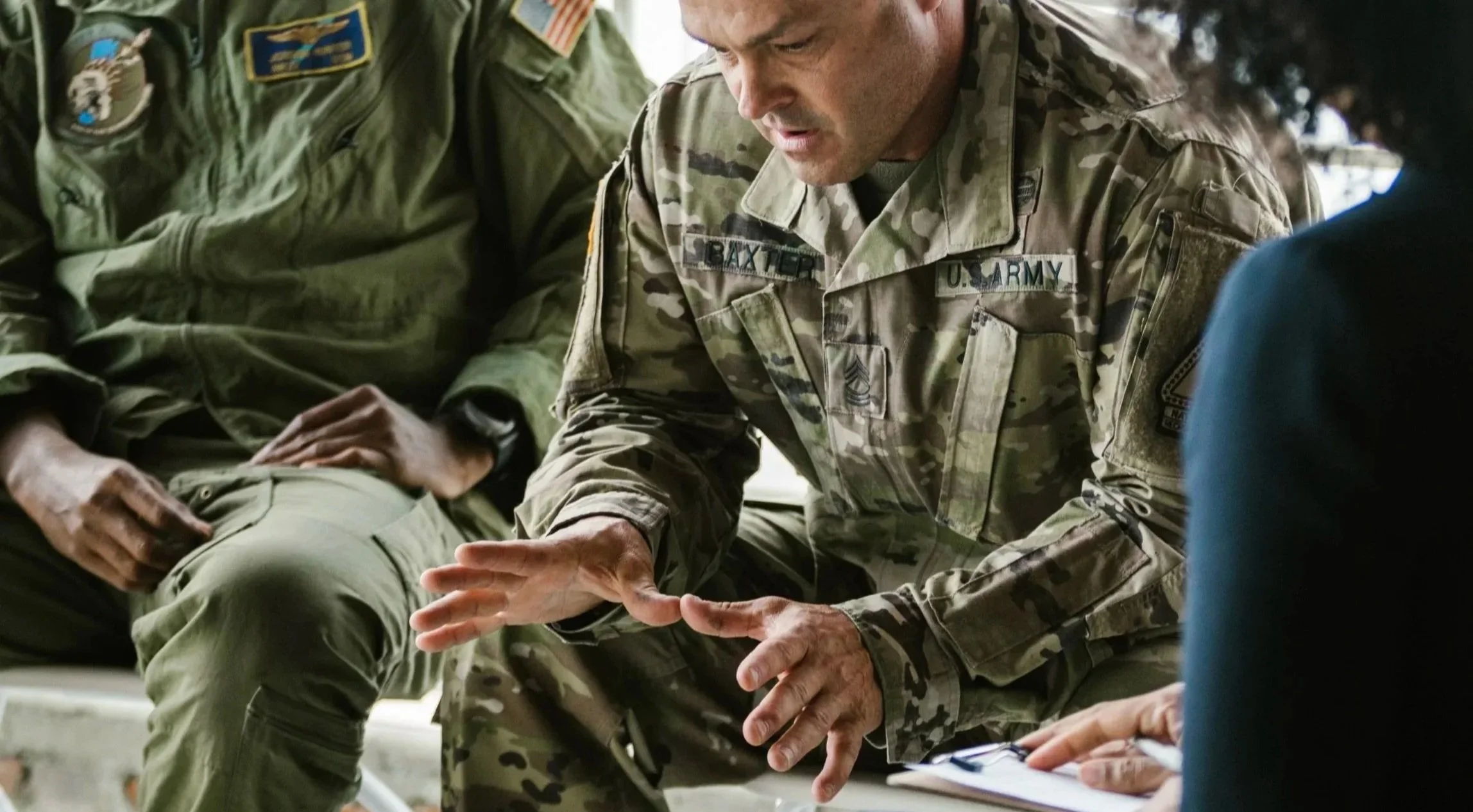
Hyperbaric Oxygen Therapy is Giving PTSD Survivors Newfound Hope
Living with PTSD can affect nearly every aspect of daily life—from sleep and relationships to work, focus, and overall well-being. For many veterans, first responders, healthcare professionals, and trauma survivors throughout The Bay Area, finding effective support can feel like a long journey.
While traditional treatments such as therapy and medication remain important tools, researchers continue exploring additional therapies that may help address some of the underlying physiological changes associated with PTSD. One treatment receiving positive is Hyperbaric Oxygen Therapy (HBOT).
A recent University of South Florida study found that veterans who completed an HBOT treatment program experienced significant improvements in PTSD symptoms, with benefits lasting for months after treatment.
What Is Hyperbaric Oxygen Therapy?
Hyperbaric Oxygen Therapy involves relaxing in a slightly pressurized hard chamber while breathing 100% Medical Grade oxygen.
Under these conditions, oxygen is delivered throughout the body and brain at levels much higher than normal, up to 4x deeper into the tissues. This increased oxygen availability may help support the body's natural healing processes, particularly in tissues affected by inflammation, reduced blood flow, or chronic injury.
For individuals in the North Bay exploring non-invasive wellness and recovery options, HBOT is increasingly being used as part of comprehensive care plans focused on neurological health, recovery, and performance.
Why Researchers Are Studying HBOT for PTSD
PTSD isn't simply a psychological condition—it can also involve measurable changes within the brain and nervous system.
Research cited in the University of South Florida study notes that PTSD has been associated with:
Chronic inflammation
Mitochondrial dysfunction
Altered stress-response systems
Changes in brain connectivity
Neurotransmitter imbalances
Researchers suggest HBOT may influence several of these biological pathways at the same time.
What Happens in the Brain During HBOT?
One of the reasons HBOT has generated so much interest is because it may support healing on multiple levels.
Studies referenced by the researchers indicate HBOT can help:
Improve Brain Connectivity
Research has shown improvements in fronto-limbic brain networks—areas involved in emotional regulation, memory processing, and stress response.
Support Neuroplasticity
The brain has an incredible ability to adapt and create new neural connections. HBOT may help support these repair and adaptation processes through increased oxygen delivery and cellular energy production.
Promote New Blood Vessel Growth
HBOT is proven to promote angiogenesis, the development of new blood vessels that help deliver oxygen and nutrients to healing tissue.
Reduce Inflammation
Research cited in the study found reductions in inflammatory markers including C-reactive protein, TNF-α, and interferon-γ.
What Did the Study Find?
Researchers followed veterans receiving a standard HBOT protocol consisting of:
40 treatment sessions
100% oxygen
1.5 ATA pressure
Five sessions per week for eight weeks
Among veterans who completed treatment, PTSD symptom scores dropped by approximately 60%, decreasing from an average score of 51.0 before treatment to 20.6 after treatment. Importantly, these improvements were maintained at follow-up assessments conducted one, three, and six months later.
For many participants, scores improved from levels consistent with a PTSD diagnosis to below commonly used diagnostic thresholds.
Improvements Extended Beyond PTSD Symptoms
PTSD often affects much more than emotional health alone.
Researchers also observed improvements in:
Sleep Quality
Participants reported a 53% reduction in sleep-related symptoms.
Depression and Anxiety
Overall measures of depression, anxiety, and somatization improved by 65%.
Stress Levels
Perceived stress scores decreased by 19%.
Resilience and Positive Outlook
Researchers found:
A 34% increase in resilience
A 35% increase in positive outlook
These findings suggest that HBOT may support broader improvements in overall well-being, not just PTSD symptom reduction.
PTSD in Younger Veterans: Why This Matters
PTSD remains a significant challenge for many veterans transitioning back to civilian life.
According to a Yale School of Medicine-led study, veterans between ages 22 and 49 were nearly three times more likely to experience PTSD than veterans over age 50 (14.7% versus 4.9%).
As Yale researcher Robert H. Pietrzak, PhD, MPH, noted:
"These findings underscore the urgent need to address psychosocial reintegration challenges among younger veterans."
This highlights the importance of continuing to explore effective, evidence-based therapies that may support long-term recovery.
Is HBOT Right for You or Someone You Love?
While the researchers emphasize that additional controlled studies are needed, the findings are encouraging. Veterans in this program experienced meaningful improvements that persisted months after treatment, highlighting HBOT's potential to support lasting healing and recovery.
If you're in Marin County, Sonoma County, San Rafael, Mill Valley, Novato, Larkspur, Corte Madera, Fairfax, or the surrounding North Bay area, and are exploring options for PTSD support, Hyperbaric Oxygen Therapy may be worth learning more about.
Would you like to sponsor recovery for a veteran suffering from PTSD through our non-profit The H.O.P.E For Healing Institute?
Ready to Explore Your Options?
Our team is committed to helping individuals better understand whether Hyperbaric Oxygen Therapy may fit into their personalized recovery plan.
Contact us today to schedule a consultation and learn how HBOT may support your journey toward healing, resilience, and improved quality of life.