Hyperbaric Oxygen Therapy for Sudden Hearing Loss: What Patients Should Know
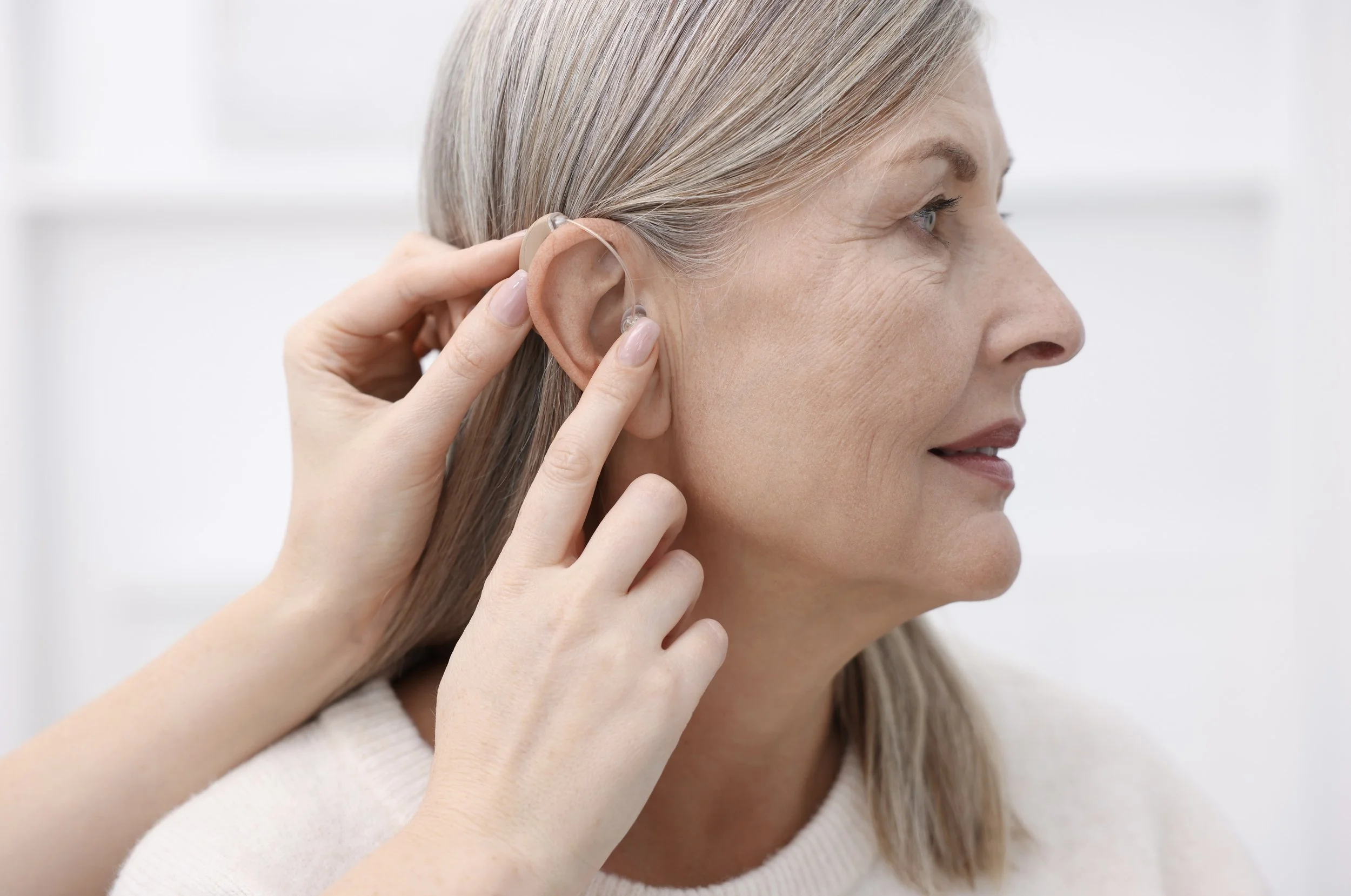
Imagine waking up one morning and suddenly realizing you can’t hear clearly out of one ear. For many people, Idiopathic Sudden Sensorineural Hearing Loss (ISSHL) happens exactly that fast — often within hours or days.
It can feel alarming, confusing, and honestly, a little scary.
The good news? There may still be time to improve recovery — especially if treatment begins early.
One treatment gaining significant attention is Hyperbaric Oxygen Therapy (HBOT), an Insurance recognized therapy that helps deliver oxygen to damaged inner ear tissues. Research continues to show promising results, particularly when HBOT is started within the first two weeks after symptoms begin.What Is Sudden Sensorineural Hearing Loss?
ISSHL is a rapid, unexplained hearing loss that typically affects one ear. Clinically, it’s defined as a loss of at least 30 decibels across multiple frequencies within 72 hours. In simple terms: your hearing noticeably drops very quickly.
Some people describe it as:
Muffled hearing
A “plugged ear” sensation
Ringing in the ear (tinnitus)
Dizziness or imbalance
Suddenly being unable to hear phone calls or conversations clearly
Because it can happen so suddenly, many people initially assume it’s allergies, congestion, or earwax. Unfortunately, waiting too long can reduce the chance of recovery.
So How Does Hyperbaric Oxygen Therapy Help?
HBOT works by having patients breathe 100% Medical Grade oxygen under slightly elevated pressure.
That pressure allows oxygen to dissolve directly into the blood plasma at much higher levels than normal. Once that happens, oxygen can reach tissues that may not be getting enough blood flow — including the delicate structures inside the inner ear.
Researchers believe one of the major contributors to sudden hearing loss is reduced oxygen supply (hypoxia) within the inner ear fluid, called the perilymph. HBOT helps reverse that oxygen deficiency.
In other words, the therapy is designed to:
Flood damaged tissues with oxygen
Support cellular repair
Reduce inflammation
Help restore function to hearing structures that may still be recoverable
What Does the Research Actually Show?
This is where things get encouraging.
A 2020 study published in Undersea & Hyperbaric Medicine reviewed 96 patients treated with HBOT for sudden hearing loss and found:
34.4% achieved complete recovery
45.8% experienced clinically meaningful improvement
Average hearing improvement was approximately 22 decibels
Perhaps most importantly, researchers found that patients who started treatment earlier had significantly better outcomes.
That’s why timing matters so much.
The First 14 Days Matter Most
Most experts recommend beginning HBOT as soon as possible — ideally within 14 days of symptom onset.
Why?
Because after that window, spontaneous recovery becomes much less likely. The longer oxygen-deprived tissues remain untreated, the harder they may be to recover fully.
In the same study, patients who began HBOT within two weeks had dramatically higher recovery rates than those who started later.
So if you or someone you know has experienced sudden hearing loss recently, this is not something to “wait and see” on.
Is HBOT Used Alone?
Usually not.
HBOT is commonly used alongside standard medical treatment like corticosteroids. In fact, treatment guidelines increasingly support combining HBOT with steroids because outcomes tend to be better than standard therapy alone.
Think of HBOT as helping the body create a more favorable healing environment by restoring oxygen where it’s needed most.
What Is Treatment Like?
Most people are surprised by how straightforward HBOT is.
A typical session:
Lasts around two hours
Is completely non-invasive
Involves relaxing in a pressurized chamber while breathing oxygen
Is generally very well tolerated
Most treatment plans involve somewhere between 10–20 sessions, depending on how the patient responds.
Is HBOT Covered by Insurance?
In many cases, yes.
Hyperbaric Oxygen Therapy for sudden sensorineural hearing loss is recognized by the Undersea and Hyperbaric Medical Society (UHMS) and is frequently covered by:
Medicare
Many commercial insurance plans
Coverage usually depends on:
How quickly treatment begins
Proper diagnostic criteria
Medical documentation
That’s why it’s important to contact a qualified hyperbaric provider as soon as possible after symptoms begin.
The Bottom Line
Sudden hearing loss can feel overwhelming — but acting quickly may make a major difference.
Research continues to show that Hyperbaric Oxygen Therapy may significantly improve hearing recovery, especially when treatment starts early.
If you’ve experienced sudden hearing loss recently, don’t assume it will simply resolve on its own.
Ready to Learn More?
Our team can help you:
Verify insurance coverage
Determine whether you’re a candidate for HBOT
Coordinate treatment quickly during the critical recovery window
Contact us today to schedule a consultation and learn whether Hyperbaric Oxygen Therapy may be right for you.