

Plastic Surgery
“Cosmetic Surgery”
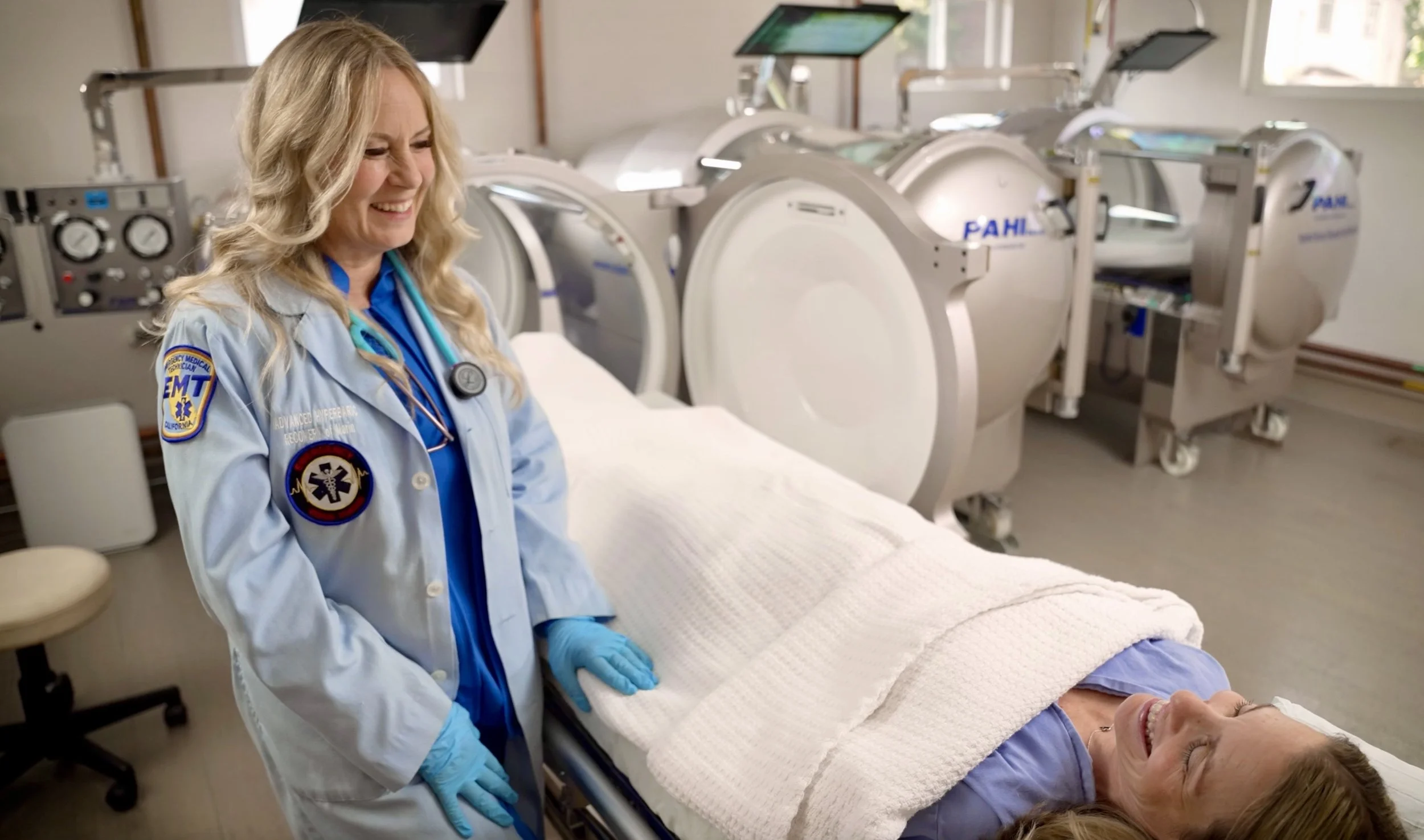
Hyperbaric Oxygen Therapy (HBOT) for accelerated recovery, reduced downtime, and enhanced results.
At normal air pressure, we breathe just 20% oxygen. Inside a hyperbaric chamber, you breathe 100% pure oxygen under gentle pressure — giving your body 5–10× more oxygen to fuel repair, reduce inflammation, and restore vitality.
-
Hyperbaric oxygen therapy (HBOT) is an advanced medical treatment that harnesses the healing power of pressurized oxygen to promote tissue repair and regeneration. The pressurized environment allows oxygen to reach damaged tissues deeper than normal.
-
Stimulate new blood vessel Growth: HBOT kick starts the process where new blood vessels form allowing tissues to receive oxygen and nutrients needed for healing.
Boost your Stem Cell/Collagen Production: HBOT can generate an 8-fold increase in your own stem cell production, and boost natural collagen synthesis.
Reduce swelling and inflammation: HBOT improves oxygen delivery to “at-risk” tissue, which can support healthier incisions and flaps/grafts, lowering complication risk (like delayed healing) during recovery.
-
We are happy to partner with your surgical care team to coordinate your care, and we accept referrals from licensed, board-certified physicians practicing in the state of California. If your surgeon is located outside of California, we have established procedures in place to ensure you can be evaluated and by one of our hyperbaric specialist physicians.
Why Us?
Patient Centered Medicine
Let’s get started:
Below is a step-by-step overview of what to expect as a new patient.
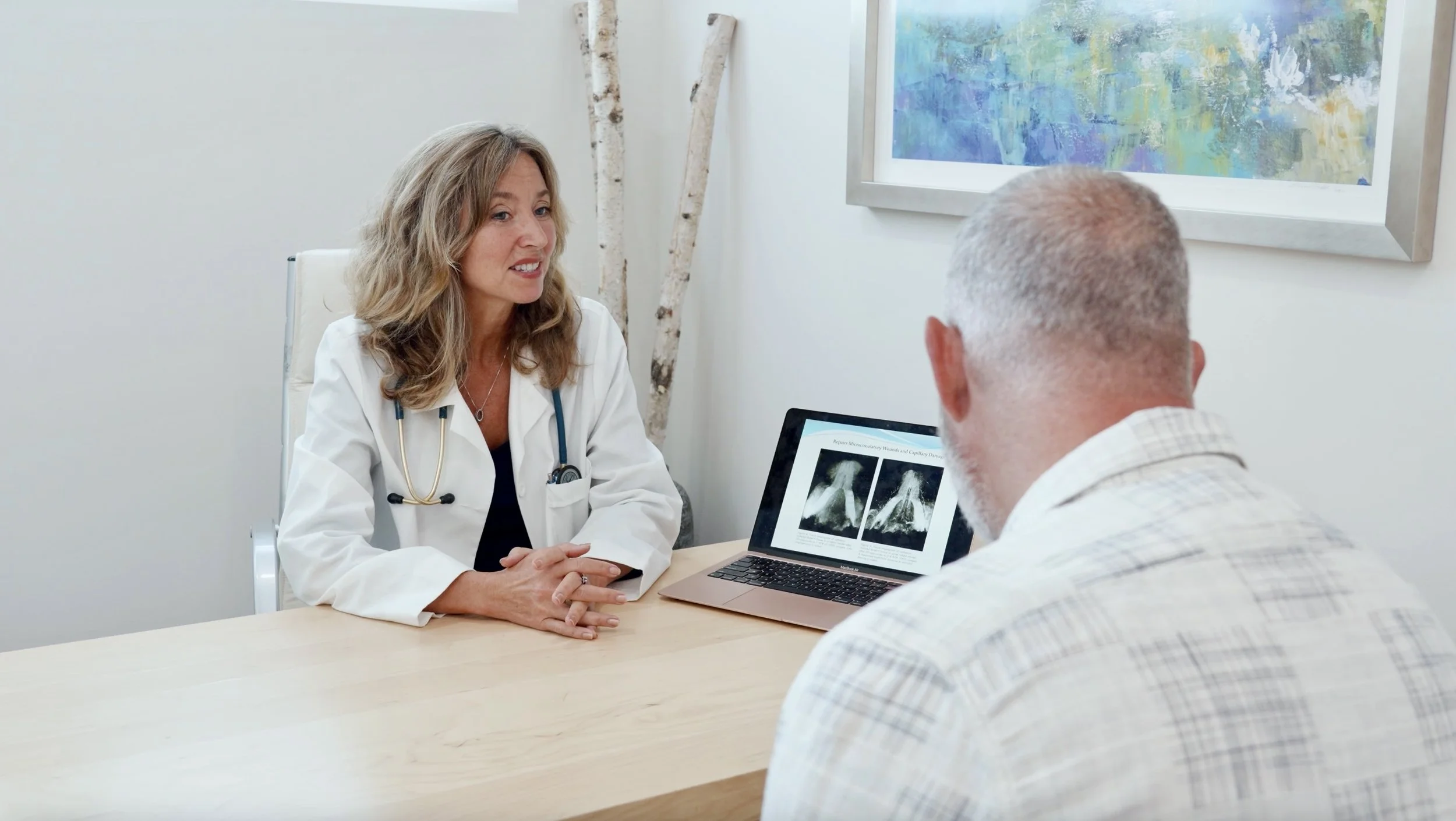
Once we receive your referral from your plastic surgeon, our clinical team will begin reviewing:
Your surgical procedure and timeline
Your medical history
Any current medications
The reason HBOT has been recommended
Once we have received and confirmed this information, and your prescription is on file, we will contact you to schedule your appointments and provide your intake forms.
Physician Clearance

Before your first appointment, you will complete a set of onboarding forms, which include:
A brief medical history questionnaire
Consent forms for HBOT treatment
Insurance or self-pay documentation
Safety screening for hyperbaric therapy
These forms help ensure treatment is safe, personalized, and aligned with your recovery goals.
Tip: Completing paperwork ahead of time allows your first visit to focus fully on care.
new patient intake forms
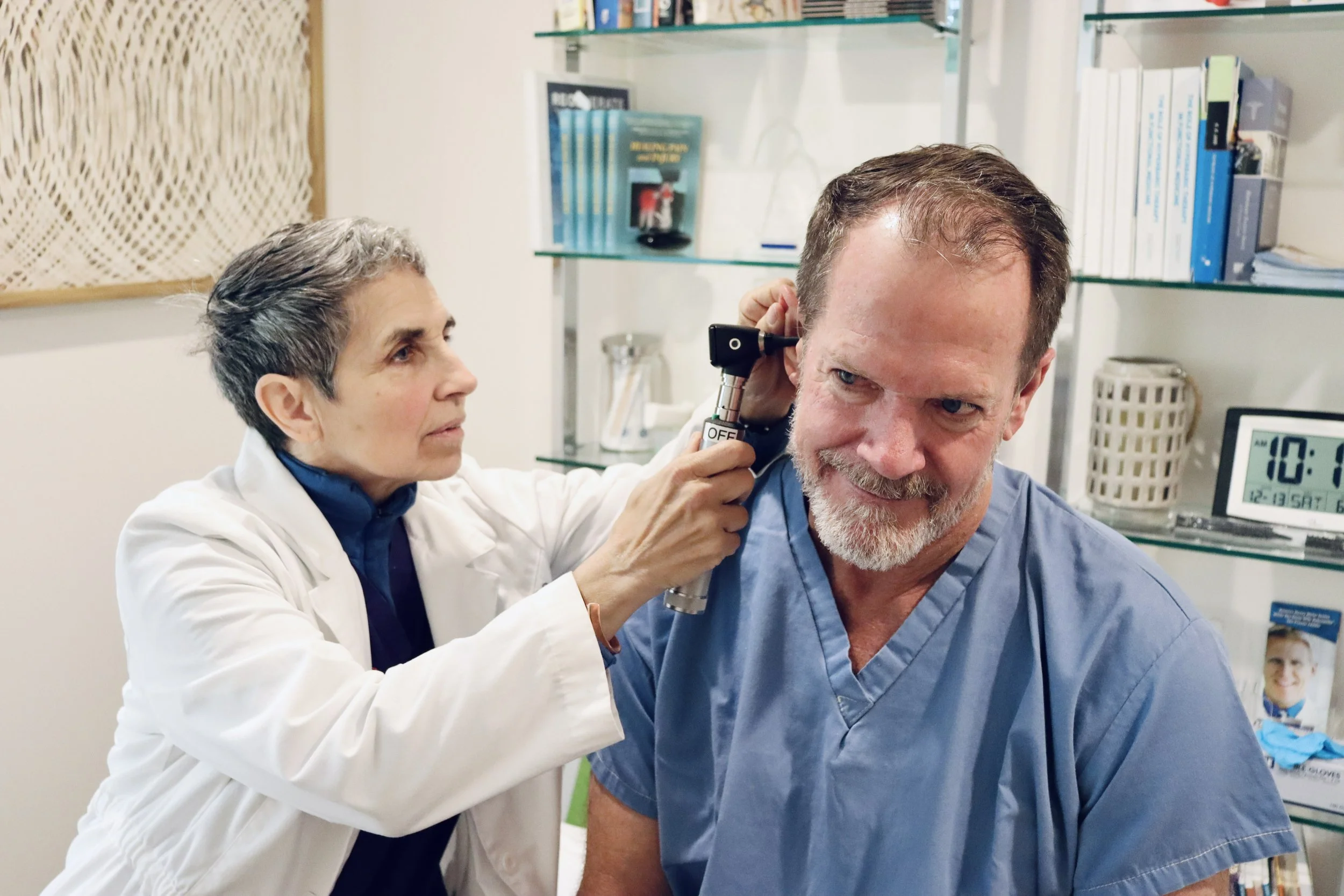
On your first day, we ask that you arrive a minimum of 45 minutes prior to your scheduled appointment where you will meet with a member of our team for:
A final review of intake forms
Baseline vital signs
Chamber safety education
Time to ask questions and feel comfortable
Your Certified Hyperbaric Technician (CHT) will walk you through exactly what to expect inside the chamber so you feel prepared and confident.
First Visit Orientation
Helpful reminders for your first treatment Day:
To help your session go smoothly, please keep these guidelines in mind.

Eat a protein-rich meal before each treatment to ensure your body has the proper fuel needed to heal/rebuild healthy tissue. This is especially important if you are diabetic.
Eat a Protein-Rich Meal

Remove all cosmetic products from skin/hair. No makeup, lotions, oils, perfumes, or hair products, as many products are not safe in the hyperbaric environment. This includes petroleum-based creams from incision sites to the best of your ability.
Remove Cosmetics/Skincare

Remove all compression garments, watches, earrings, piercings, and metallic accessories before entering the chamber.
Remove Jewelry/Accessories
Plastic Surgery Applications and Research

1. Liposuction Outcomes
Recovery metrics:
faster edema resolution
reduction in ecchymosis
better skin retraction
Complication reduction:
decrease in seromas
reduction in irregularities
less fibrosis
Long-term results:
Enhanced skin smoothness
Better contour maintenance
Reduced post-operative pain

2. Post-Laser Treatment Recovery
Fractional Laser Recovery:
faster healing time
reduction in erythema
enhanced collagen remodeling
CO2 Laser Results:
faster re-epithelialization
Better pigmentation outcomes
Reduced downtime
Cellular responses:
increase in fibroblast activity
Enhanced collagen organization
Better dermal remodeling

3. Abdominoplasty Outcomes
Healing parameters:
reduction in drainage time
faster scar maturation
decrease in seroma formation
Tissue response:
Enhanced flap adherence
Better blood supply to umbilicus
Improved T-junction healing
Long-term benefits:
reduction in revision rates
Better scar quality
Enhanced contour maintenance

4. Breast Reconstruction Research
B. Autologous Reconstruction:
DIEP Flap outcomes:
better fat graft retention
reduction in partial flap loss
Enhanced vascularity
Tissue response:
increase in neovascularization
better fat cell survival
improved tissue integration

4. Breast Reconstruction Research
A. Implant-Based Reconstruction:
Immediate results:
better expansion rates
fewer complications
Enhanced skin flap survival
Long-term outcomes:
reduction in capsular contracture
Better implant positioning
Improved symmetry
5. Post-Operative Recovery Protocols
B. Late Phase (Weeks 2-4):
Protocol adjustments:
Daily treatments
Focus on tissue remodeling
Enhanced scar management
Clinical results:
better scar appearance
Enhanced tissue pliability
Better long-term outcomes

5. Post-Operative Recovery Protocols
A. Early Phase (Days 1-7):
Treatment parameters:
2.4 ATA pressure
90-minute sessions
Twice daily for severe cases
Measured outcomes:
40% reduction in edema
50% faster wound healing
Better pain control

6. Fat Transfer Enhancement
Cellular benefits:
better fat cell survival
Enhanced stem cell activity
Improved vascularization
Clinical outcomes:
better volume retention
More predictable results
Reduced touch-up needs

7. Molecular Research Findings
Growth factor expression:
VEGF increased
PDGF elevated
TGF-β enhanced
Inflammatory modulation:
reduction in TNF-α
decrease in IL-6
Better healing environment

9. Emerging Applications:
A. Combined Procedures:
Research shows:
better outcomes in multiple procedures
Enhanced recovery times
Reduced overall complications
B. Minimally Invasive Procedures:
Benefits include:
better port-site healing
Reduced tissue trauma
Enhanced recovery
Specific Research Studies Worth Noting

Learn How HBOT Can Benefit You
Find out how HBOT can support your Recovery—call or email us today