Why Surgeons Refer Patients to HBOT: Inside the Collaborative Healing Process
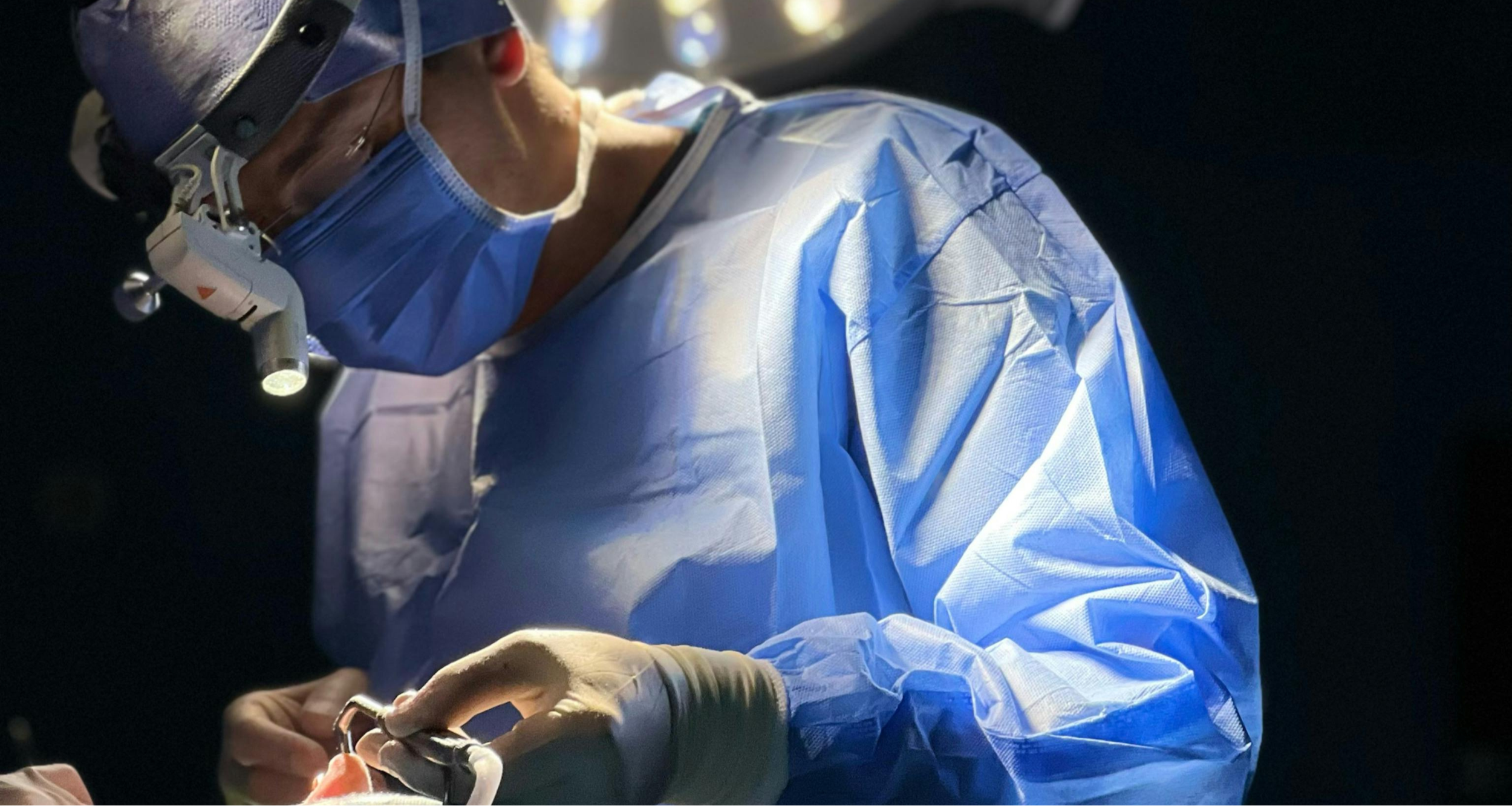
Successful surgery depends on more than what happens in the operating room.
Once surgery is complete, the body begins a complex healing process requiring oxygen, nutrients, blood flow, immune activity, and new tissue formation. When tissues become swollen or temporarily oxygen-deprived after surgery, healing may slow.
This is one reason many surgeons refer select patients for Hyperbaric Oxygen Therapy (HBOT) as part of a collaborative recovery plan.
Rather than replacing standard surgical care, HBOT supports the body's natural healing mechanisms.
What Is HBOT?
Hyperbaric oxygen therapy (HBOT) is an advanced medical treatment that harnesses the healing power of slightly pressurized oxygen to promote tissue repair and regeneration. The pressurized environment allows oxygen to reach damaged tissues deeper than normal.
The increased atmospheric pressure enables substantially more oxygen to dissolve directly into plasma, allowing oxygen to reach tissues that may have compromised circulation following surgery.
What Happens Inside the Body During HBOT?
Healing is an energy-intensive biological process, and oxygen plays a central role.
Research describes several physiological effects of HBOT that contribute to tissue repair:
Increased Tissue Oxygenation
Additional dissolved oxygen reaches healing tissues beyond what red blood cells alone can deliver.
This supports cells responsible for repairing surgical wounds.
Stimulates Fibroblasts
Fibroblasts produce collagen—the structural protein responsible for rebuilding skin, fascia, and connective tissue.
HBOT has been shown to stimulate fibroblast proliferation, supporting stronger tissue repair.
Promotes Angiogenesis
New blood vessels form during healing.
HBOT promotes neovascularization (angiogenesis), improving long-term oxygen delivery to recovering tissues.
Reduces Swelling
Inflammation is necessary after surgery—but excessive swelling can reduce oxygen delivery.
HBOT helps decrease tissue edema while maintaining oxygen supply.
Supports Immune Function
Oxygen also helps immune cells destroy bacteria and supports the body's natural defenses during recovery.
The literature additionally notes enhanced growth factor synthesis and improved antibacterial processes during HBOT.
Why Surgeons Refer Patients
Surgeons commonly consider HBOT when they want additional support for tissue recovery.
Depending on the patient and procedure, referrals may be considered for:
Cosmetic surgery
Plastic and reconstructive procedures
Skin flap concerns
Delayed wound healing
Patients with elevated healing risk
Tissue preservation after surgical complications
HBOT is intended to complement the surgeon's treatment plan, not replace it.
What Does the Research Show?
Faster Healing After Facelift Surgery
A 2023 case-control study compared facelift patients receiving HBOT with those receiving standard postoperative care.
Researchers found:
Average healing time:
13.3 days with HBOT
36.9 days without HBOT
Patients who received HBOT experienced ~64% reduction in healing time
Experience in Nearly 300 Surgical Patients
A 2024 retrospective study followed 296 aesthetic surgery patients who received postoperative HBOT.
Researchers reported:
Overall complication rate: 10.7%
No surgical site infections
No tissue necrosis
Median return to work:
Liposuction: 10 days
Breast procedures: 3 days
Abdominoplasty: 21 days
The literature also describes increased growth factor release, improved neovascularization, suppression of excessive inflammation, and enhanced tissue oxygenation during HBOT.
HBOT for Compromised Tissues
A 2022 case series documented successful use of HBOT in compromised soft tissue wounds after cosmetic and reconstructive procedures, including facial fillers, abdominoplasty, and Mohs surgery. The authors conclude that plastic surgeons should have a low threshold to consider HBOT referral for compromised tissues to help limit tissue necrosis and lessen patient morbidity.
Collaborative Care Produces Better Recovery
The best surgical outcomes happen when specialists work together.
Surgeons provide the procedure.
HBOT specialists help optimize the biological environment for healing.
Physical therapists restore movement.
Primary care physicians help manage chronic conditions.
When each member of the healthcare team contributes their expertise, patients receive more comprehensive support throughout recovery.
Request Our HBOT Post-Surgical Support Guide
If you or your surgeon are exploring ways to support recovery after surgery, our HBOT Post-Surgical Support Guide explains:
How HBOT works
When surgeons commonly refer patients
What to expect during treatment
Frequently asked questions
How to determine whether HBOT may be appropriate as part of your recovery plan