
How Does Hyperbaric Oxygen Therapy for Chronic Wounds Improve Tissue Oxygenation?
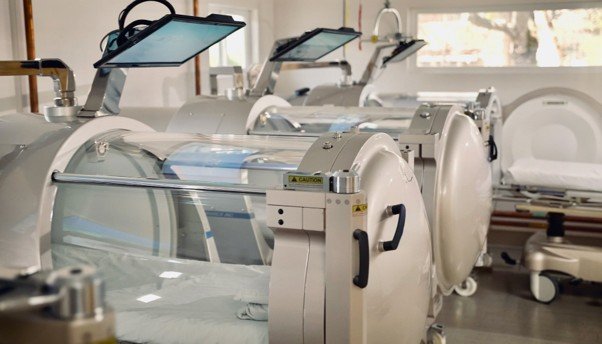
A wound that remains open for weeks or months often involves more than surface damage. In many cases, the underlying issue is limited oxygen reaching the injured tissue. We frequently speak with patients who are frustrated by slow healing despite following treatment recommendations. For individuals exploring hyperbaric oxygen therapy for chronic wounds in San Rafael, Marin County, understanding the relationship between oxygen and tissue repair can help explain why Hyperbaric Oxygen Therapy, or HBOT, is commonly considered for certain non-healing wounds.
Chronic wounds may develop from diabetes, circulation problems, surgical complications, pressure injuries, or radiation-related tissue damage. One factor many of these conditions share is reduced tissue oxygenation. Without adequate oxygen, the body may struggle to complete the natural healing process, even with proper wound care.
Chronic Wounds, Diabetes, and Tissue Oxygenation
Chronic conditions that commonly affect men, including Type 2 diabetes, peripheral artery disease, and cardiovascular disease. These health issues can reduce blood flow and oxygen delivery to tissues, increasing the risk of chronic wounds that heal slowly. Adequate oxygen is essential for cellular repair, collagen production, immune function, and healthy tissue recovery. Hyperbaric Oxygen Therapy (HBOT) helps increase oxygen availability within damaged tissue and transports oxygen up to four times further into the tissues, supporting important healing processes. By understanding the connection between chronic disease, tissue oxygenation, and wound recovery, men can take proactive steps toward protecting their health and seeking timely care for wounds that are not healing as expected.
The Common Link Between Chronic Wounds and Poor Oxygen Supply
Healthy tissue depends on oxygen to support repair and maintenance. Every stage of healing requires a steady supply of oxygen to help cells perform their functions.
Tissue hypoxia can slow cellular activity, interfere with new tissue formation, and make it more difficult for the body to close a wound effectively.
We often explain to patients that oxygen is not simply helpful for healing. It is one of the fundamental requirements for recovery.
Oxygen also supports communication between cells involved in repair. These signals help coordinate tissue rebuilding and wound closure. If oxygen levels remain low, these healing activities may become less efficient.
What Happens When Healing Tissue Cannot Get Enough Oxygen?
Every cell in the body relies on oxygen to produce energy. This energy is stored as adenosine triphosphate, commonly known as ATP.
Low oxygen levels can reduce ATP production. As a result, cells may struggle to perform essential healing tasks.
This may affect:
Tissue regeneration
Cellular repair
Immune function
Collagen production
Wound closure
Without adequate oxygen, recovery can become slower and less efficient. This is one reason chronic wounds may persist despite ongoing care.
The body's repair system depends on energy. Cells require oxygen to support growth, remove damaged material, and build healthy replacement tissue. A lack of oxygen may slow these activities and extend recovery time.
Beyond Blood Flow: Understanding Tissue Oxygenation
Many people assume that blood circulation and oxygen delivery are the same thing. In reality, they are closely connected but not identical.
Even if blood reaches an injured area, oxygen may not always move efficiently into damaged tissue. Swelling, inflammation, vascular disease, and microcirculation problems can limit oxygen transfer at the cellular level.
We often tell patients that healing depends not only on blood flow but also on how effectively oxygen reaches the cells responsible for repair.
Tissue oxygenation refers to the amount of oxygen available within the tissue itself. Improving oxygen levels inside damaged tissue may help support the biological processes required for recovery.
How Hyperbaric Oxygen Therapy Increases Oxygen Transport
Hyperbaric Oxygen Therapy involves breathing 100% medical grade concentrated oxygen inside a slightly pressurized chamber.
The increased atmospheric pressure allows significantly more oxygen to dissolve directly into the plasma portion of the blood. Under normal conditions, oxygen is primarily carried by red blood cells. During HBOT, dissolved oxygen within plasma can travel to areas where circulation may be compromised.
This process increases oxygen availability throughout the body and may help support tissue oxygenation in areas affected by chronic injury.
We often describe HBOT as a way of delivering oxygen beyond the body's usual transport capacity.
By increasing dissolved oxygen levels, HBOT may help supply oxygen to tissues that struggle to receive adequate support through normal circulation alone.
Fueling the Cells Responsible for Repair
Wound recovery depends on specialized cells that rebuild damaged tissue.
Among these cells are fibroblasts, which play a key role in producing collagen. Collagen provides structural support for developing tissue and helps strengthen the wound site.
Improved oxygen availability also helps support fibroblast activity and collagen synthesis. These biological processes are important for rebuilding healthy tissue and promoting wound closure.
As oxygen levels improve, cells may be better equipped to perform the tasks necessary for recovery.
We often explain that healing starts at the cellular level. Healthy cells create the foundation needed for tissue growth, repair, and long-term wound stability.
Supporting New Blood Vessel Growth
Another important aspect of wound repair is angiogenesis.
Angiogenesis refers to the formation of new blood vessels within healing tissue. These vessels help improve the delivery of oxygen and nutrients to areas that need support.
Research suggests that increased oxygen availability contributes to signals involved in blood vessel development. Improved microcirculation can help create a healthier environment for tissue recovery.
We often explain that stronger vascular support helps sustain healing over time.
As new blood vessels form, tissues gain improved access to nutrients and oxygen, helping support continued repair.
Case Study: What Does Research Show About HBOT and Chronic Wound Healing?
A systematic review evaluating 12 clinical trials involving 577 participants examined the role of Hyperbaric Oxygen Therapy in chronic wound management, particularly diabetic foot ulcers. Researchers found that patients receiving HBOT experienced improved wound healing rates during short term follow up compared with standard treatment alone. Some studies also reported meaningful reductions in wound size among diabetic and venous ulcers. While long-term outcomes were less consistent and researchers noted the need for larger, higher-quality studies, the findings suggest that improved tissue oxygenation through HBOT may support important healing processes in selected patients with chronic wounds. These results highlight the growing clinical interest in HBOT as a complementary approach for wounds affected by poor oxygen supply and impaired recovery
Oxygen's Role in the Body's Natural Defense Response
Healing tissue must also be protected from infection.
White blood cells rely on oxygen to carry out important defense functions. Low oxygen levels may limit their ability to respond effectively to harmful bacteria.
By increasing oxygen availability, HBOT helps support normal immune activity within the wound environment. This can contribute to conditions that favor recovery while supporting overall tissue health.
Conditions Where Improved Tissue Oxygenation May Be Beneficial
Healthcare providers may evaluate HBOT as part of a treatment plan for certain wounds that have not responded adequately to conventional care.
These may include:
Diabetic foot ulcers
Radiation-related tissue injuries
Non-healing surgical wounds
Pressure injuries
Compromised skin grafts
Certain chronic soft tissue wounds
Each patient requires an individualized assessment to determine whether HBOT may be appropriate.
What Patients Should Know Before Considering HBOT
Treatment plans vary based on wound type, severity, overall health, and medical history.
Before beginning therapy, we perform a comprehensive consultation with one of our experienced Hyperbaric Physicians to better understand the factors affecting recovery. This helps determine whether HBOT may complement existing wound care strategies.
Patient safety, ongoing monitoring, and personalized treatment planning remain important throughout the process.
We encourage patients to ask questions and learn about their treatment options so they can make informed decisions regarding their care.
Final Thoughts:
At Advanced Hyperbaric Recovery Inc., we understand the challenges patients face when wounds fail to heal as expected. Our team focuses on evidence-based care designed to support tissue oxygenation, circulation, and recovery through individualized treatment planning. Chronic wounds often struggle to heal because damaged tissue lacks the oxygen required for cellular repair. By supporting oxygen transport, collagen production, angiogenesis, immune function, and tissue regeneration, HBOT may help create conditions that support recovery.
If you would like to learn whether treatment may be appropriate for your needs, contact our team at Advanced Hyperbaric Recovery Inc. to schedule a personalized consultation and learn more about hyperbaric oxygen therapy for wound healing in San Rafael, Marin County.
Case Study 1:What Does Research Show About HBOT and Chronic Wound Healing?
A systematic review evaluating 12 clinical trials involving 577 participants examined the role of Hyperbaric Oxygen Therapy in chronic wound management, particularly diabetic foot ulcers. Researchers found that patients receiving HBOT experienced improved wound healing rates during short term follow up compared with standard treatment alone. Some studies also reported meaningful reductions in wound size among diabetic and venous ulcers. While long-term outcomes were less consistent and researchers noted the need for larger, higher-quality studies, the findings suggest that improved tissue oxygenation through HBOT may support important healing processes in selected patients with chronic wounds. These results highlight the growing clinical interest in HBOT as a complementary approach for wounds affected by poor oxygen supply and impaired recovery
References:
https://pmc.ncbi.nlm.nih.gov/articles/PMC7055586/
https://www.sciencedirect.com/science/article/pii/S2352587825000841
Frequently Asked Questions:
-
Description text goes hereOxygen helps cells produce energy, build new tissue, support collagen formation, and assist normal healing processes needed for wound recovery.
-
HBOT increases the amount of oxygen dissolved in plasma. This helps oxygen reach damaged tissue up to four (4) times further and supports important biological healing functions.
-
Yes. Reduced circulation may limit oxygen and nutrient delivery. We evaluate these factors because healthy tissue depends on adequate blood flow and oxygenation.
-
We may evaluate diabetic ulcers, radiation-related injuries, non-healing surgical wounds, pressure injuries, and other chronic wounds based on individual needs.
-
No. We typically view HBOT as part of a comprehensive treatment plan as an adjunct therapy that may complement wound care, medical management, and physician recommendations.
